

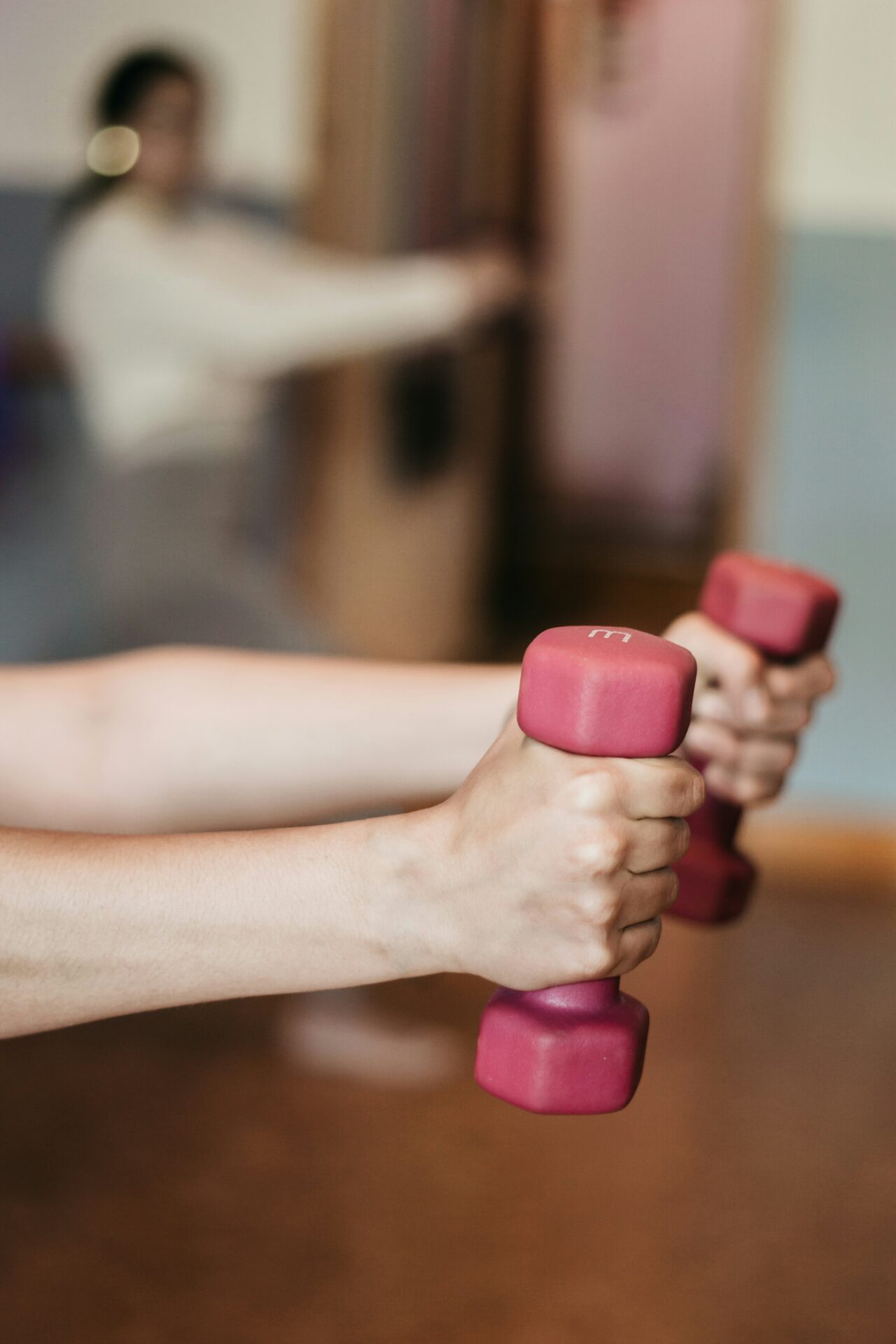
When considering how to be a better leader, we often focus on our physical health last. Priorities tend to lean towards the emotional and spiritual. However, a healthy body is foundational to a practitioner’s work and a balanced life for any person.
I was recently challenged by this verse during a sabbatical trip:
Joshua 14:10-12 (New Living Translation)
10 “Now, as you can see, the Lord has kept me alive and well as he promised for all these forty-five years since Moses made this promise—even while Israel wandered in the wilderness. Today I am eighty-five years old. 11 I am as strong now as I was when Moses sent me on that journey, and I can still travel and fight as well as I could then.
Caleb had made his physical health a priority, knowing that the Lord had plans for him. He needed to be physically able to do this task. Now, most of us don’t need the sort of strength that Caleb had; rarely is God asking his mentors to physically fight their enemies or travel hundreds of miles on foot, but we do owe it to our clients to take care of ourselves in order to do the work we are meant to do. We don’t want to call in sick regularly. Also, our physical well-being affects our mental and emotional state. A healthy lifestyle supports our energy and focus, making our sessions with mentees more fruitful.
Studies have proven that change is possible. Duke University’s Clergy Health Initiative found that clergy members face disproportionately high rates of metabolic syndrome, obesity and chronic stress. To combat this, Duke designed “Spirited Life,” a holistic, two-year behavioural intervention that successfully reduced pastors’ risk factors for metabolic syndrome. (https://clergyhealth.duke.edu/project/spirited-life/)
What can we do to ensure we are living a healthy life? Here are some basic tips:
Movement and Exercise:
- Most physicians recommend at least two hours of exercise a week. Finding an enjoyable activity can help make this easier. I enjoy walking and swimming and have found that these activities make me more enthusiastic about exercising.
- Break up long periods of sitting. A standing desk is a great option, or getting up and walking around for a few minutes every hour can prevent aches and cramps.
- Flexibility work. Stretching is essential!
Sleep:
- Prioritise 7–9 hours of quality sleep per night.
- Keep a consistent sleep/wake schedule, even on weekends.
- Limit screen time before bed and keep your sleeping environment cool and dark.
- Keep your phone in another room.
Nutrition & Hydration:
- Drink enough water throughout the day (roughly 2–3 litres for most adults, more if active)
- Moderate diet, focusing on nutritional needs and foods that provide energy.
Posture & Ergonomics:
- Pay attention to how you sit, stand, and carry weight — poor posture over time contributes to chronic pain,
- Strengthen your core, which supports the spine throughout daily activities.
Preventive Care:
- Stay current on regular checkups, screenings, and vaccinations.
- Manage stress through physical outlets like walking, exercise, or breathwork — chronic stress has real physical consequences.
- Sunlight & Fresh Air. Get some natural light exposure during the day to support mood, sleep regulation, and vitamin D.
If you are struggling with health and want to build up better habits, the most sustainable approach is usually to start small — one or two changes that fit naturally into your routine — rather than overhauling everything at once. The goal is consistency over time. Intentionally tracking exercise, diet, and weight can be helpful. Personally, I like to keep a weekly log. What will help you pay attention to your health?
A final reminder: Focusing on physical health is not an excuse for vanity or for judging oneself or others. Obsession over our weight, our workouts and our diet is not healthy for our sense of self and our connection to others. Rather, focus on your physical health both for yourself and to be able to give out to others.
Reflection:
Firstly, celebrate the Lord who has kept me alive!
What physical habits contribute to low health?
What births these habits?
What physical habits could I adopt to improve my health?
What are one or two changes that fit naturally into your routine?
Continue reading with these articles…

Recent Posts
Categories
- Coaching
- Emotional Health
- Empowering Transformative Action
- Flourish
- Gauges
- Grief
- Grief
- Healthy Emotional Intelligence
- Healthy Lifestyle
- Mature Disciple: foundational competency for mentoring
- Mentoring Excellence
- Professional Supervision
- Reduced Risk
- Replenish
- Resources
- Seasoned Christian Leadership
- Sustainable Life
- Thriving Relationships
- Uncategorized
- Videos
- Vital Spirituality
- Well-Being
- Well-Being Mentoring